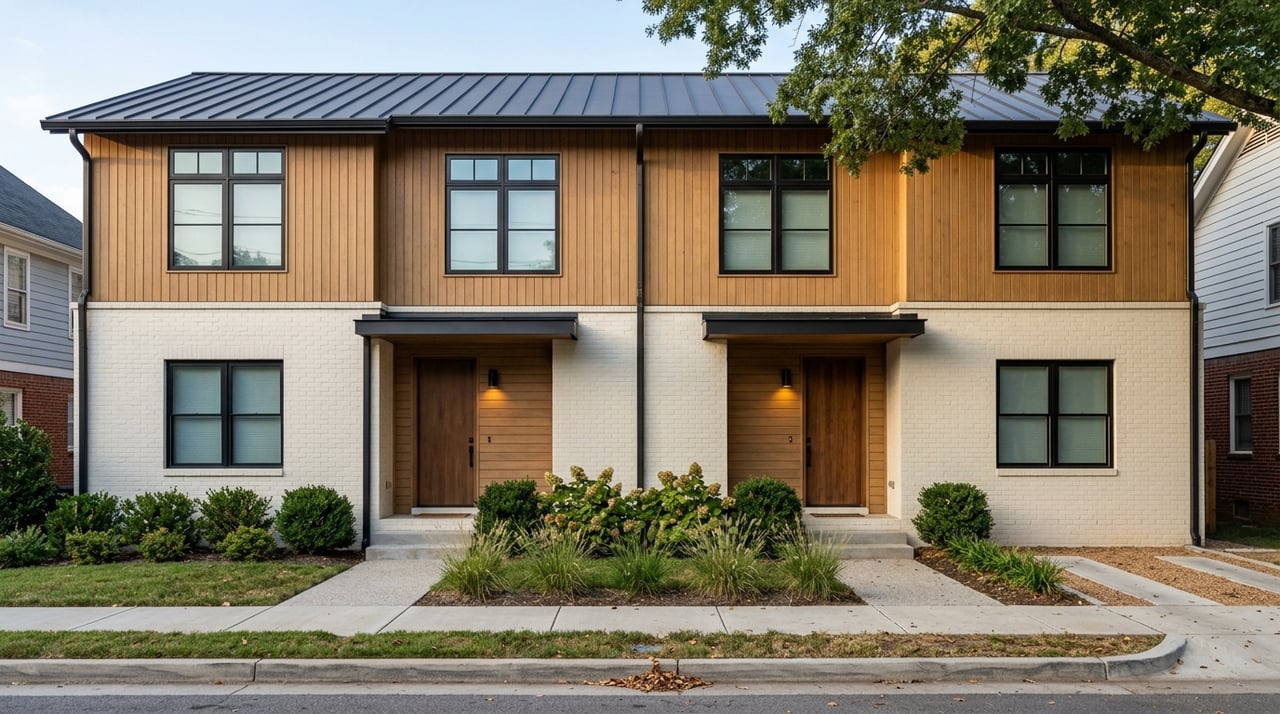
Wondering whether East Nashville is a smart place to buy a rental property? That is a fair question, especially in a market where home prices are not exactly bargain-level and rent growth is not something you should assume. If you are weighing cash flow, long-term appreciation, and tenant demand, East Nashville offers a more balanced story than a simple yes or no. Let’s dive in.
East Nashville at a Glance
East Nashville sits in an interesting middle ground within Nashville’s higher-demand neighborhoods. According to Redfin’s East Nashville housing market data, the median sale price is about $584,900, homes take roughly 86 days to sell, and the sale-to-list ratio is 97.4%.
That pricing puts East Nashville above more entry-friendly areas like Donelson-Hermitage-Old Hickory, but below premium districts such as Germantown and 12 South. In practical terms, you are not buying at the lowest price point, but you are also not paying the steepest lifestyle premium in the city.
Why Investors Look at East Nashville
East Nashville continues to attract attention because it offers a mix of location, character, and convenience. It sits just across the Cumberland River from downtown, which makes it appealing to renters who want quick access to the urban core without living directly in the center of it.
The neighborhood also has a distinct identity. The official East Nashville visitor guide highlights its historic homes, local restaurants, live music, coffee shops, art, and vintage retail. For many renters, that mix adds to the day-to-day appeal of living there.
Rental Demand Looks Solid
A rental market works best when there is a steady stream of people who want to live there. East Nashville has several demand drivers working in its favor.
First, the area is often associated with walkability and convenience. Redfin’s Nashville neighborhood guide describes East Nashville as a place where many restaurants, bars, and shops are reachable on foot or by bike, with bus access and a short drive to downtown. That can support demand from renters who value shorter commutes and easy access to dining and entertainment.
Second, Davidson County is growing. The Tennessee State Data Center reported that the county added 10,413 residents between July 1, 2023 and July 1, 2024, which was its largest year-over-year increase since 2015. Population growth does not guarantee strong rent growth in every neighborhood, but it does help support overall housing demand.
Third, nearby long-range development may matter over time. Metro Nashville’s East Bank development initiative covers a 550-acre area near the river and the planned Oracle campus. It is not inside East Nashville, but its proximity could become a helpful long-term tailwind for nearby housing demand.
Rent Levels Need a Careful Read
Rent data in East Nashville can look different depending on the source and property type, which is why investors should be careful not to rely on a single number. Redfin’s rental market tracker for Nashville shows East Nashville with a median rent of $2,397, compared with the Nashville average of $1,799.
At the same time, Apartments.com East Nashville rent data reports average apartment rent at $1,543, with studios around $1,330, one-bedrooms around $1,543, and two-bedrooms around $1,757. Those numbers are useful, but they reflect apartment averages and not necessarily the asking rents for renovated houses or newer townhomes.
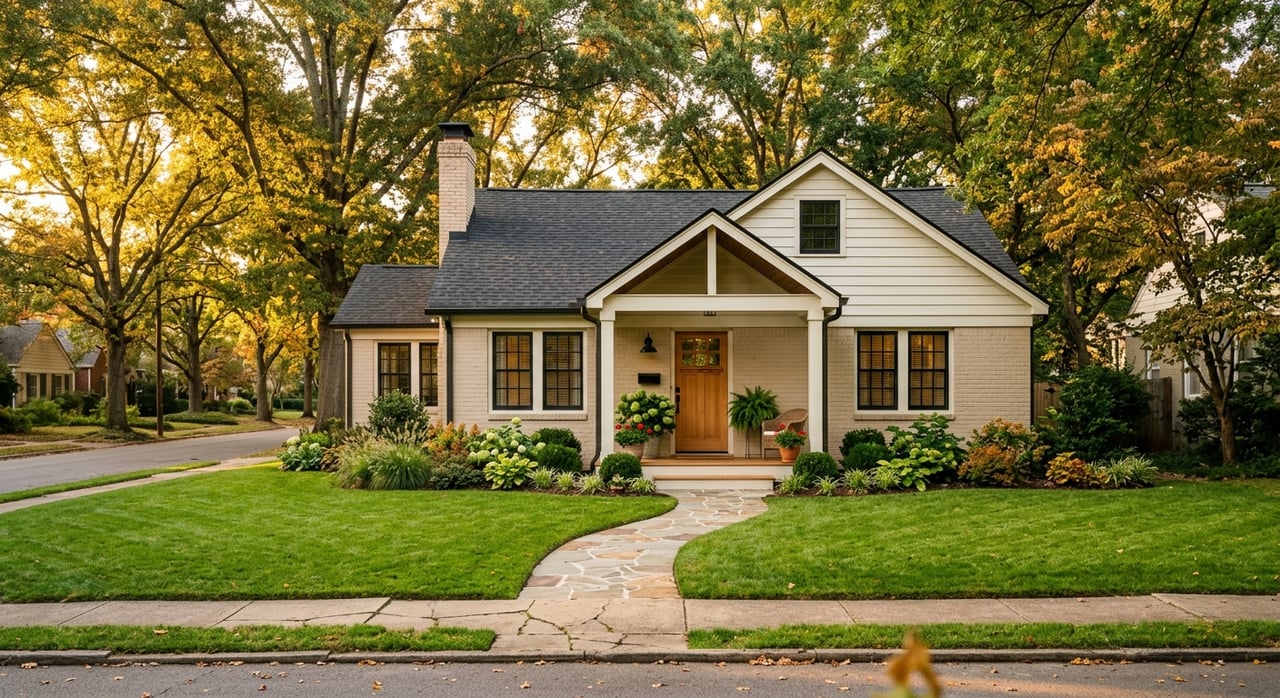
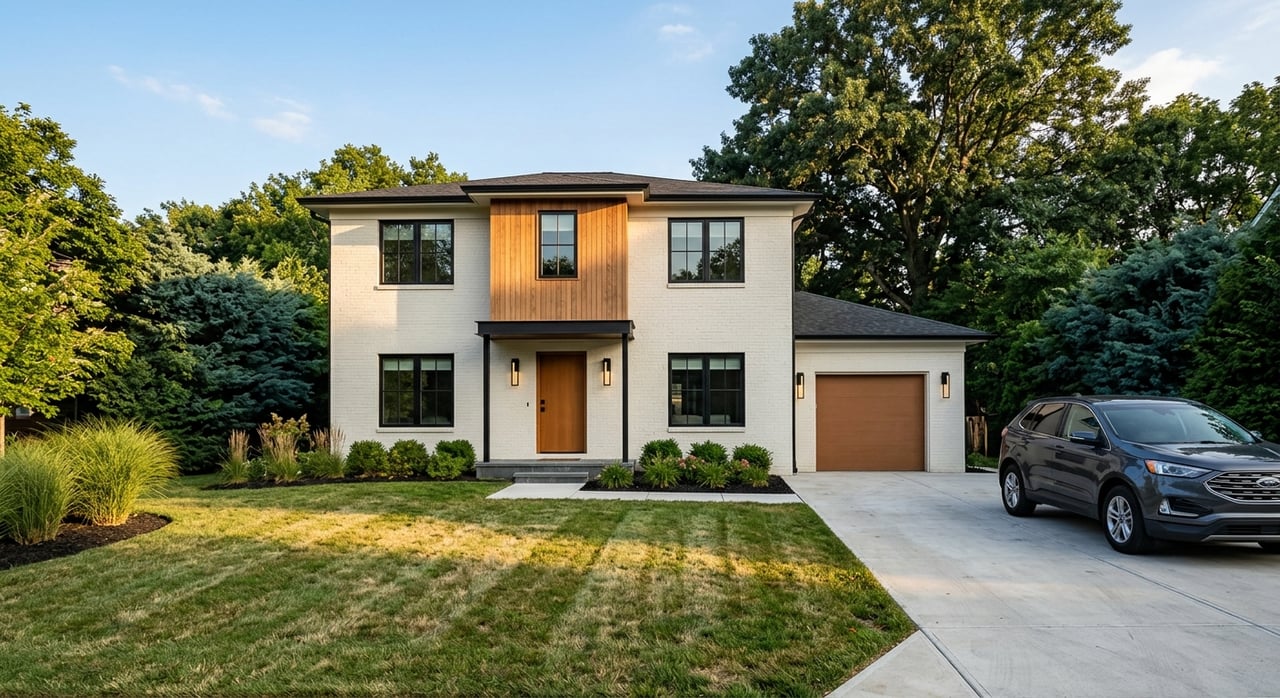
That matters because East Nashville includes a wide range of housing. You may be comparing older cottages, renovated historic homes, condos, and townhomes, all of which can attract different renter profiles and produce different rent levels.
Cash Flow Is Decent, Not Exceptional
If your goal is pure monthly cash flow, East Nashville is probably not the strongest option in the broader Nashville area. Using median asking rent divided by median sale price as a rough gross-yield proxy, East Nashville comes in around 5.0% based on the research provided.
That suggests a middle-of-the-road investment profile. East Nashville appears to outperform high-cost lifestyle districts like Germantown and 12 South on this basic yield measure, but it does not have the same lower barrier to entry as more suburban alternatives.
For many investors, that means East Nashville can make sense if you value a blend of demand and long-term stability. It is less compelling if you are only chasing the highest possible cap rate or the cheapest acquisition price.
Compare East Nashville to Nearby Options
Looking at nearby neighborhoods can help clarify where East Nashville fits.
| Neighborhood | Median Sale Price | Median Rent | Investor Read |
|---|---|---|---|
| East Nashville | $584,900 | $2,397 | Balanced demand and moderate yield |
| Germantown | $920,000 | $2,326 | Higher buy-in, lower yield profile |
| 12 South | $1.275M | $2,995 | Strong lifestyle appeal, expensive entry |
| Donelson-Hermitage-Old Hickory | $389,525 | $1,645 | Lower entry price, more yield-focused |
Based on the Redfin data for East Nashville, Germantown, 12 South, and Donelson-Hermitage-Old Hickory, East Nashville lands in a practical middle tier.
If you want a neighborhood with urban appeal but a less extreme price tag than Nashville’s most expensive lifestyle markets, East Nashville stands out. If you want the lowest possible basis and a more yield-driven strategy, Donelson-Hermitage-Old Hickory may look more attractive on paper.
Appreciation Could Be Part of the Story
East Nashville may be better suited to investors who care about long-term value, not just current income. The Greater Nashville REALTORS® 2024 Yearly Housing Report notes that the broader Middle Tennessee market has seen consistent appreciation for 13 years and has averaged 5.9% annual appreciation since 2004. The same report says single-family prices rose 5% in 2024 to $492,685.
No neighborhood is guaranteed to follow the broader market exactly, but East Nashville’s location and demand profile make appreciation part of the investment conversation. For many buyers, that is one reason the area remains attractive even when upfront costs are higher than in more suburban submarkets.
Risks Investors Should Not Ignore
A smart rental investment is never just about the upside. East Nashville has real strengths, but it also comes with a few practical watchouts.
Rent growth may stay soft
At the metro level, Redfin reported that Nashville asking rents were down 3.4% year over year in May 2025, reflecting heavy apartment supply. That means you should underwrite conservatively and avoid assuming aggressive rent increases.
Older housing can mean more maintenance
East Nashville includes historic homes dating to the early 1900s along with renovated properties and condos. That variety is part of the neighborhood’s appeal, but it can also mean more maintenance planning, parking considerations, and property-by-property differences in renter appeal.
Block-by-block differences matter
East Nashville is not one uniform product type. Rental performance can vary based on condition, layout, parking, updates, and exact location within the broader area. Two properties with similar square footage may attract very different renters or lease at very different price points.
Who East Nashville Fits Best
East Nashville may be a smart rental investment market if you want:
- A neighborhood with steady renter interest
- Proximity to downtown and lifestyle amenities
- A balance between income potential and appreciation potential
- A property that may appeal to professionals seeking convenience and neighborhood character
It may be less ideal if you want:
- The lowest purchase price possible
- Strong cash flow right out of the gate
- A simpler, more uniform housing stock with fewer maintenance variables
The Bottom Line on East Nashville Rentals
So, is East Nashville a smart rental investment market? For many buyers, yes, but for the right reason. East Nashville looks strongest as a balanced investment play, where tenant demand, location, and long-term appreciation potential matter as much as month-one cash flow.
It is not a bargain market, and it is not the easiest place to pencil out if you are chasing maximum yield. But if you want to own in a neighborhood with strong identity, close-in convenience, and a track record that fits Nashville’s broader growth story, East Nashville deserves a serious look.
If you want help comparing East Nashville to other Nashville investment options, Karen Roach can help you evaluate neighborhoods, acquisition strategy, and property-management referral options with a practical, local lens.
FAQs
Is East Nashville a good place to buy a long-term rental?
- East Nashville can be a good long-term rental market if you value strong tenant demand, close-in location, and appreciation potential more than maximum short-term cash flow.
What is the average rent in East Nashville, Tennessee?
- Rent figures vary by source and property type, with Redfin showing a median rent of $2,397 and Apartments.com reporting average apartment rent of $1,543.
How does East Nashville compare to Germantown for rental investors?
- East Nashville typically offers a lower buy-in than Germantown and a better basic yield profile, while still offering an urban, amenity-rich setting.
Is East Nashville better for cash flow or appreciation?
- Based on the available data, East Nashville appears better suited to a balanced strategy with appreciation potential and stable demand rather than pure cash-flow chasing.
What should investors watch for in East Nashville properties?
- Investors should pay close attention to property condition, maintenance needs, parking, and block-by-block differences that can affect renter appeal and leasing performance.