If you want city access without a big-city feel, Sylvan Park stands out fast. This West Nashville neighborhood is only about 4 miles from downtown, yet it still feels quiet, local, and easy to settle into. For buyers relocating to Nashville or locals comparing neighborhoods, Sylvan Park offers a helpful example of what “small town in the city” really looks like. Let’s take a closer look.
Sylvan Park Has a Smaller-Scale Feel
One reason Sylvan Park feels different is its size. According to the Sylvan Park Neighborhood Association, the neighborhood has about 4,000 residents and sits between Charlotte Pike and West End Avenue. That gives it a defined footprint instead of the more spread-out feel you find in some other parts of Nashville.
That smaller civic scale shapes daily life. You are close to downtown, but your day-to-day experience is centered more on neighborhood streets, familiar gathering spots, and nearby green space. In practical terms, it feels more like a village with its own rhythm than an anonymous urban district.
History Still Shapes the Neighborhood
Sylvan Park’s identity is not new or manufactured. The neighborhood association traces its roots back to 1887, when the area was founded as New Town, and notes that it was once served by its own streetcar line. That kind of history often leaves a lasting imprint on how a neighborhood looks and functions.
Today, you can still feel that older pattern in the neighborhood’s layout and character. Murphy Road acts like a small main street, and many of the places people use every day are woven into the neighborhood instead of separated from it. That continuity helps Sylvan Park feel grounded and distinct.
Tree-Lined Streets Add to the Charm
The physical setting also plays a big part in Sylvan Park’s appeal. The name “Sylvan” comes from a word meaning forest, and the neighborhood association highlights the area’s tree-lined streets and well-known cherry trees. That softer, greener streetscape changes how the neighborhood feels the moment you drive or walk through it.
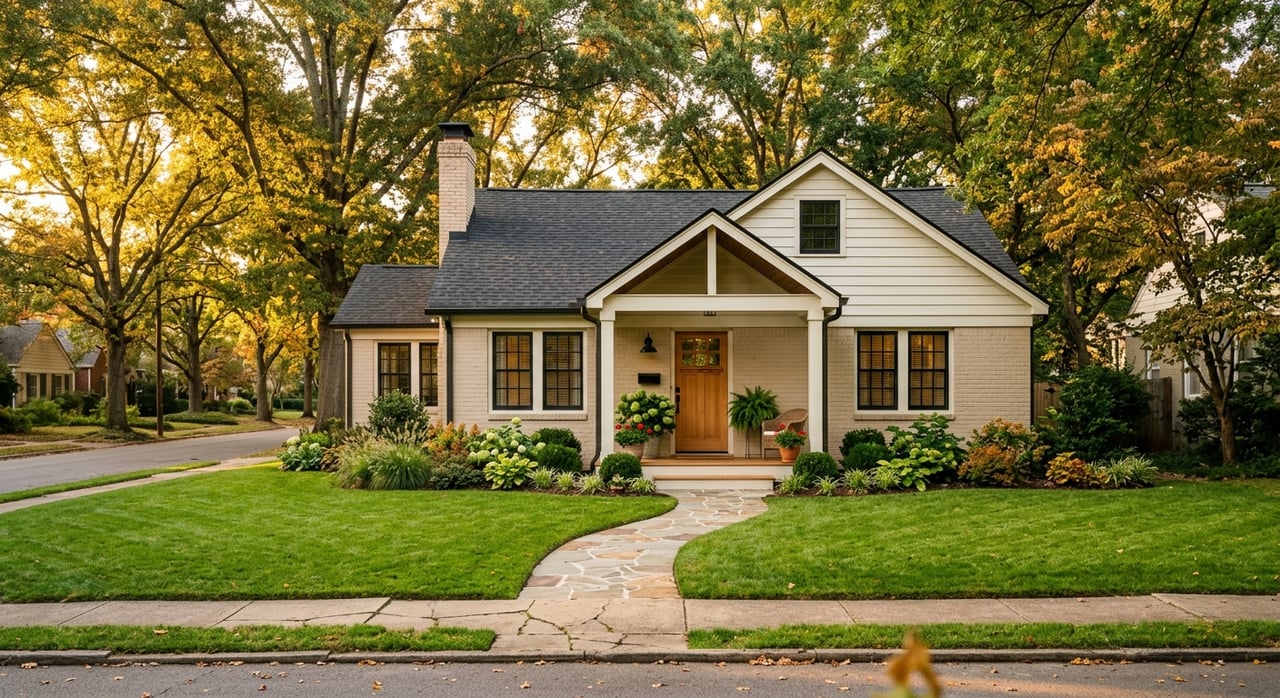
Metro Historic staff describe the greater Sylvan Park area as a residential district with simple cottages and bungalows, including many one- and one-half-story homes. Those housing patterns create a more intimate, porch-scale feel. Instead of long rows of larger mixed-use buildings, you get a neighborhood that feels visually connected to its history.
Walkability Centers Around Daily Life
A lot of Nashville neighborhoods are convenient, but Sylvan Park feels especially livable because so much of everyday life is close at hand. The neighborhood association notes that locally owned restaurants and shops, McCabe Park and Golf Course, and the Richland Creek Greenway are all within walking distance for many residents.
That matters because walkability here is not just about entertainment. It is about being able to step outside and reach parks, trails, local businesses, and familiar community spaces without having to make every outing a car trip. That is a big part of what gives Sylvan Park its small-town energy.
McCabe Park Is a True Community Anchor
Every close-knit neighborhood tends to have a center of gravity, and in Sylvan Park, McCabe Park plays that role. Metro Nashville says the McCabe Park Community Center sits in the heart of the West Nashville-Sylvan Park neighborhood and offers greenway trail access, an indoor running track, and programs for people of all ages.
The park system around it adds even more to that sense of connection. The Richland Creek Greenway at McCabe Park includes 4.1 paved miles, loops the golf course, and connects to multiple neighborhood access points as well as nearby shopping centers. When a neighborhood has that kind of built-in public space, it naturally becomes easier to stay active and feel connected to the area around you.
Local Businesses Keep It Personal
Sylvan Park also feels small-town because daily routines stay local. Visit Nashville describes the area as brimming with locally owned restaurants, bars, and shops, and current neighborhood examples include Edley’s Bar-B-Que, Pancho & Lefty’s Cantina, and Streetcar Taps and Garden.
This kind of business mix creates familiarity. You are not just passing through a commercial corridor. You are visiting places that help shape the neighborhood’s identity and give Murphy Road that recognizable main-street role.
Community Involvement Is Easy to See
A neighborhood can have great location and attractive homes, but it does not feel close-knit unless residents stay involved. In Sylvan Park, the neighborhood association serves as a community voice on zoning, development, traffic calming, safety, and beautification.
Metro Nashville has also documented neighborhood cleanup and tree-planting events organized with the association. That kind of stewardship is one of the clearest signs that people are invested in where they live. For buyers, it often signals a neighborhood with a strong sense of identity and shared care.
The School and Park Connection Matters
Another reason Sylvan Park feels community-oriented is the way school and recreation are connected to daily life. Sylvan Park Paideia Design Center describes itself as a true community school and highlights an active PTO, extracurriculars, and Lunch and Learn programs for families. It also notes nearby aftercare at McCabe Community Center.
It is best to verify current enrollment details and program availability directly with the school district, but the broader point is clear. When a neighborhood school, park space, and family routines are closely linked, the area often feels more connected across age groups and life stages.
Why Buyers Are Drawn to Sylvan Park
Sylvan Park often appeals to people who want convenience without the pace of a denser urban corridor. Based on the neighborhood’s walkability, parks, housing character, and community-centered amenities, it can be a strong fit for buyers who want in-town access with a more established residential feel.
That includes relocating professionals who want a shorter trip to central Nashville, buyers who value nearby green space, and some downsizers who prefer a neighborhood with local character. The draw is not just proximity. It is the balance of access, scale, and identity.
How Sylvan Park Compares Nearby
If you are choosing between West Nashville neighborhoods, the differences become clearer when you compare how each area feels day to day.
Sylvan Park vs. The Nations
The Nations is often described as a growing neighborhood with a more development-heavy and food-forward identity. Visit Nashville points to craft breweries, bars, casual eateries, and chef-driven restaurants as part of its appeal.
Compared with that setting, Sylvan Park feels quieter and more rooted in its established residential pattern. If you want a neighborhood centered more on parks, cottages, and a small main street, Sylvan Park may feel more comfortable. If you want a busier social and dining scene, The Nations may feel like a better fit.
Sylvan Park vs. West End
West End has a more corridor-based and institutional character. Nashville planning materials identify West End Avenue as an arterial boulevard with commercial, office, multi-family, and institutional uses.
That creates a noticeably denser and more urban experience. By contrast, Sylvan Park feels more neighborhood-first, with its identity shaped by residents, green space, local businesses, and residential streets rather than major corridors and large-scale uses.
What This Means if You’re Moving to Nashville
If you are relocating, Sylvan Park can make your transition feel more manageable. You get close-in Nashville access, but the neighborhood’s scale, walkability, and familiar gathering places can make it easier to learn the area and settle into routines.
That is especially helpful if you are trying to balance commute convenience with lifestyle fit. A neighborhood like Sylvan Park gives you access to the city while still feeling grounded in everyday living.
Sylvan Park’s Real Appeal
At its core, Sylvan Park feels like a small town in the city because it still has its own center of gravity. It is not defined by downtown spillover, nightlife, or large mixed-use development. Instead, it is shaped by residents, local streets, parks, a greenway, a school, and businesses that support daily life.
For many buyers, that is exactly the point. You are not just choosing a location on the map. You are choosing a neighborhood that feels personal, connected, and easy to come home to.
If you are exploring Sylvan Park or comparing Nashville neighborhoods for your next move, Karen Roach can help you narrow your options with clear local guidance and a smooth, personalized approach.
FAQs
Why does Sylvan Park feel like a small town in Nashville?
- Sylvan Park feels that way because it has a defined neighborhood footprint, about 4,000 residents, walkable local businesses, tree-lined residential streets, parks, and strong community involvement, all while being only about 4 miles from downtown Nashville.
How close is Sylvan Park to downtown Nashville?
- The Sylvan Park Neighborhood Association says Sylvan Park is about 4 miles from downtown, which gives you close-in access without losing a neighborhood-centered feel.
What are the main amenities in Sylvan Park?
- Key amenities include McCabe Park, McCabe Golf Course, the McCabe Park Community Center, the 4.1-mile paved Richland Creek Greenway, and a group of locally owned restaurants, bars, and shops along and around Murphy Road.
What types of homes are common in Sylvan Park?
- Metro Historic staff describe the greater Sylvan Park area as a residential district with simple cottages and bungalows, including many one- and one-half-story homes.
How is Sylvan Park different from The Nations?
- Sylvan Park generally feels quieter and more residential, while The Nations is often seen as busier, newer, and more centered on breweries, restaurants, and ongoing growth.
How is Sylvan Park different from West End?
- Sylvan Park feels more neighborhood-focused and residential, while West End has a denser, corridor-based setting with commercial, office, multi-family, and institutional uses.