What if your morning started with a quick walk for coffee, your afternoon included a greenway bike ride, and your evening ended with live music a few blocks from home? If you are eyeing East Nashville, that rhythm is easy to imagine. You want a neighborhood that feels creative, convenient, and connected without losing its neighborhood soul. This guide breaks down daily life in East Nashville so you can picture where you will shop, unwind, commute, and live well. Let’s dive in.
What daily life feels like
Weekday mornings tend to be calm and neighborly. You see parents walking kids toward schools, cyclists heading to the greenway, and small businesses opening their doors. Cafes and bakeries are part of the routine.
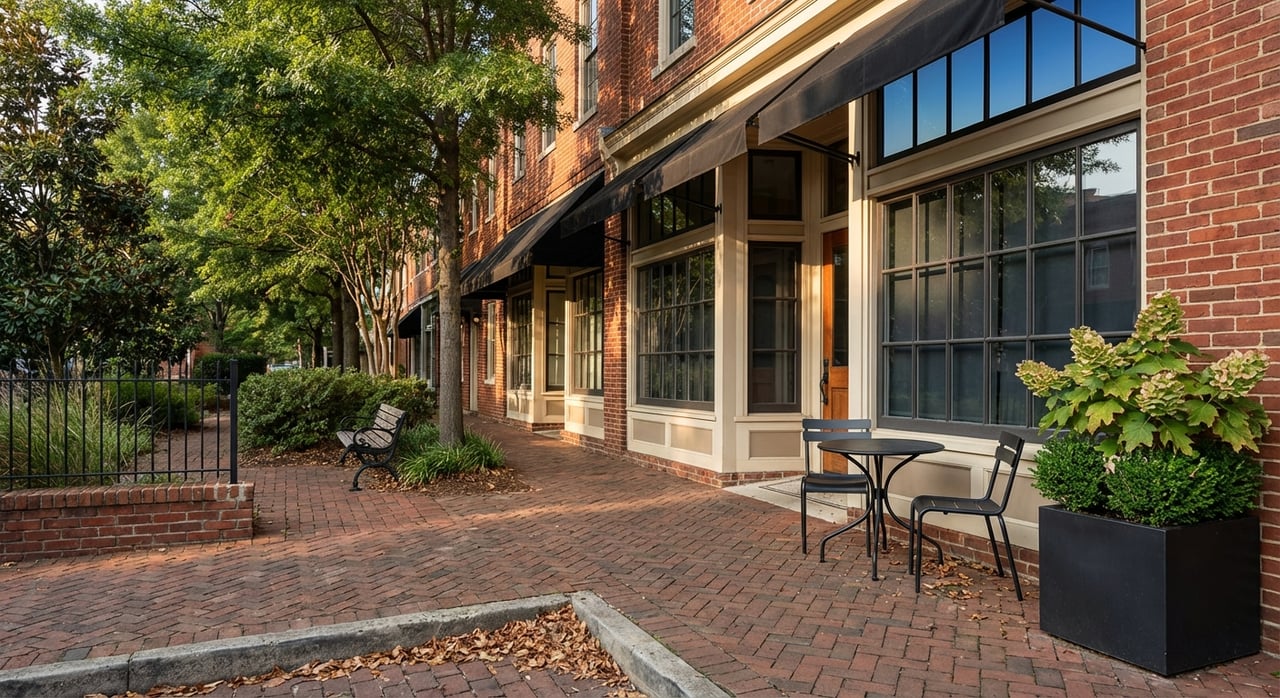
Evenings and weekends bring more energy. Restaurant and music corridors get lively, especially around Five Points. You can catch a set at a small venue, browse a pop-up market, or meet friends for a late plate. A few blocks over, tree-lined streets feel quiet and residential.
The creative identity is visible in murals, galleries, and community arts events. Independent shops and local owners anchor much of the day-to-day scene.
Walkable pockets to know
Five Points is the classic hub. It is a central spot for dining, bars, and daytime retail, and it is the most consistent node for nightlife.
Nearby, Woodland Street and Fatherland Street have pockets of shops and services that make quick errands simple. Gallatin Avenue also carries everyday retail along its corridor.
Residential areas like Lockeland Springs, East End and Shelby Hills, Inglewood, and Cleveland Park add contrast. You get historic homes, leafy blocks, and small playgrounds blended with newer infill on many streets.
Everyday errands and services
You will find independent groceries, specialty food stores, and local markets for weekly staples. Larger supermarkets sit near the edges or just outside the core, so many residents mix local shopping with occasional bigger trips.
Health care, dental, and vet clinics are available within East Nashville or a short drive away. If routine convenience matters, map your most common errands from a few target addresses to see how routes and parking feel during your typical hours.
Parks, greenways, and outdoors
Shelby Park and Shelby Bottoms are anchors for outdoor time. You can run, bike, walk the dog, or meet a friend for a long loop along the river. The greenway connects into other paths, creating lower-stress bike routes to and from downtown.
You will also see pocket parks and small playgrounds tucked into residential areas. That helps keep outdoor time close to home even if you do not live right by the river.
If you want a biking lifestyle, test your favorite routes before committing. Some streets are flat and quiet, others have hills or traffic you may want to avoid. Walkability also varies block by block, so it can help to check a block-level view using a tool like Walk Score.
Homes and buildings you will see
Older blocks feature early-20th-century bungalows, craftsman cottages, and small Victorian-era homes. Many are one story or one-and-a-half stories on traditional lots.
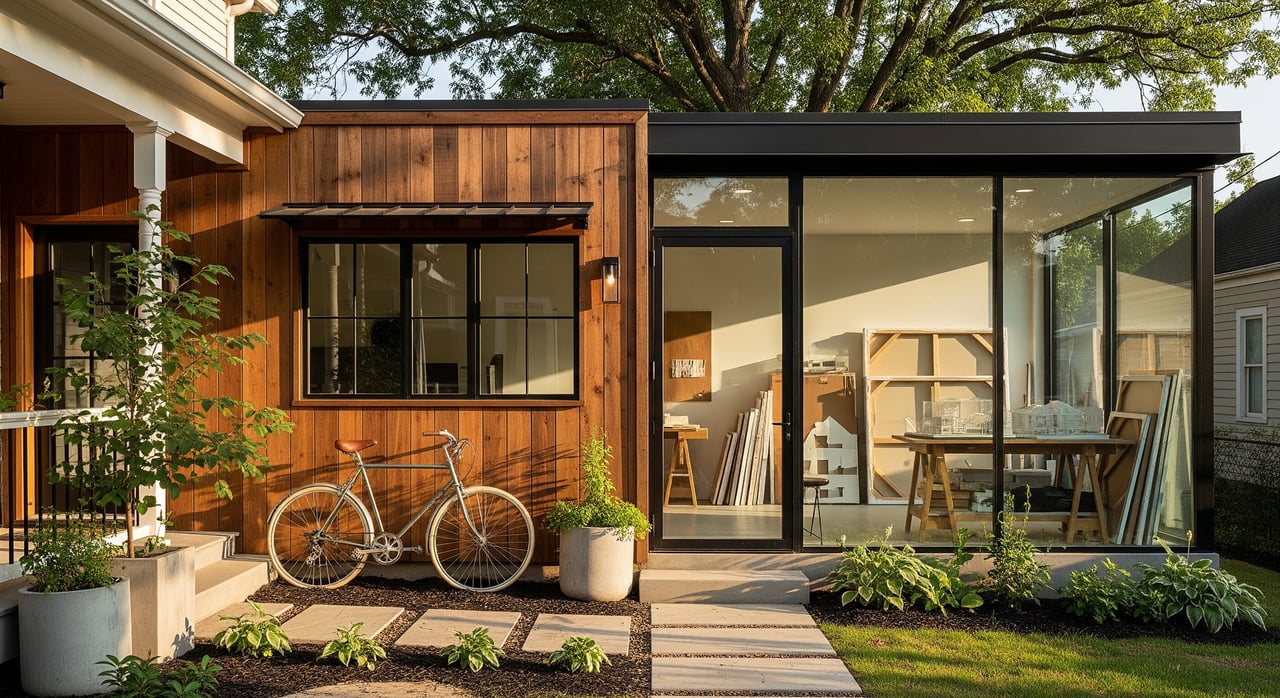
Along central corridors, you will notice duplexes and small multifamily buildings. Since the 2000s, new townhomes, condo conversions, and small-scale apartment buildings have become common. Adaptive reuse shows up on commercial streets, where old buildings house new businesses.
Some areas sit within historic overlays. If you plan to renovate or change a façade, review current rules and maps through the Metro Nashville Planning Department.
Renting or buying considerations
If you love character homes, plan for inspections. Older houses may need updates to HVAC, insulation, plumbing, or electrical. Budget for upgrades and ask targeted questions during due diligence.
Newer infill homes and townhomes often provide modern systems and lower maintenance, though yard space can be limited. Parking varies widely. On-street parking near busy corridors can be tight, while many residential blocks offer off-street options.
The area attracts both renters and buyers who value proximity to downtown, culture, and neighborhood feel. Market conditions change quickly, so it helps to check real-time inventory and tour options that match your timeline.
Getting to downtown
East Nashville sits just across the Cumberland River from the central business district. Off-peak, the drive to the downtown core is often under 15 minutes, but morning and evening rush hours can lengthen that time. Test your drive at the exact hour you plan to commute.
For transit, WeGo Public Transit operates bus routes connecting East Nashville to downtown and other parts of the city. Check current WeGo schedules and maps for routes near your target address and note frequency by time of day.
Cyclists can use greenways and quieter streets to reach downtown. Biking is very feasible when you plan routes that suit your comfort level. Hills, traffic, and bike-lane coverage vary, and infrastructure continues to evolve.
Rideshare and scooters can add flexibility for short trips. Availability changes with providers and local rules, so consider them a supplement rather than your only plan.
Evenings, music, and noise
The food and music scene is a major draw. You will find independent restaurants, neighborhood bakeries, and venues that host local and touring acts. On weekends and late nights, areas near venues can stay lively.
If you prefer quieter evenings, focus on residential streets a few blocks off the busiest corridors. Visit at night to get a feel for ambient noise and parking patterns. It is the best way to match your expectations with the street you choose.
For current safety data and incident patterns, use official sources like the Metro Nashville Police Department. Crime varies block by block in most cities, so it helps to combine official maps with your own visits at different times of day.
Planning and development basics
East Nashville has seen steady infill and adaptive reuse. Zoning and small-area plans shape where and how new homes and mixed-use buildings go up. If you are evaluating a renovation or a potential investment, confirm current overlays and applications through the Metro Nashville Planning Department.
If you are curious about short-term rentals, know that local rules have changed over time. Check the Metro Code and related guidance before making plans for short-term use.
For demographic and housing characteristics, the U.S. Census Bureau’s American Community Survey provides tract-level data. Remember that neighborhood composition and business mix evolve quickly, so pair data with on-the-ground observation.
How to choose your pocket
Start by prioritizing your daily cycle. Do you want to be within a short walk of nightlife, or would you trade that for a quieter block and easier parking? What does your ideal morning look like, and where will you spend most evenings?
Then map commute options. Test the drive at your specific hour. If you plan to ride the bus, check WeGo route frequency during peak and off-peak. If biking appeals to you, ride the greenway and a couple of street routes to compare.
Next, align your home type with your maintenance tolerance. If you love historic charm and are comfortable with systems updates, an older cottage could be a great fit. If you want newer systems and lower upkeep, consider townhomes or recent infill builds.
Finally, confirm any rules that could affect your plans. Historic overlays, renovation guidelines, and parking considerations can be decisive. The Planning Department’s resources are a reliable starting point.
Ready to explore East Nashville?
If you are relocating or simply ready for a lifestyle change, you deserve a clear, calm process. As a Nashville-based principal broker and Director of Relocation, I help you compare pockets, test commutes, and weigh home types so your decision feels confident and timely. Start with a short consultation, and we will map the right options for your goals. Connect with Karen Roach to get started.
FAQs
Is East Nashville walkable for daily errands?
- Walkability varies block by block, with hubs like Five Points and nearby corridors offering the most errands on foot while many residential streets remain a short walk or quick bike ride from shops and parks.
How long is the commute to downtown Nashville?
- Off-peak drives are often under 15 minutes, but rush-hour times vary by exact origin and destination, so test your route at your typical commute hour and compare it with nearby WeGo bus options.
What housing styles are common in East Nashville?
- You will see early-20th-century bungalows and cottages, small multifamily on key corridors, and newer townhomes or small apartment buildings added as infill since the 2000s.
Are there parks and bike paths nearby?
- Yes, Shelby Park and Shelby Bottoms provide extensive trails along the river with greenway connections that support walking, running, and bike routes into and through the neighborhood.
Is it noisy at night near music spots?
- Areas around venues and busy restaurant corridors can stay lively late, while residential blocks set back from those streets tend to be quieter, so visit at night to gauge the fit.
Where can I check rules on renovations or historic overlays?
- Review current maps and guidelines with the Metro Nashville Planning Department, and confirm any requirements before you set timelines or budgets.
How can I assess safety on a specific block?
- Combine a few evening and weekend visits with official data from the Metro Nashville Police Department to understand recent patterns and community context.